
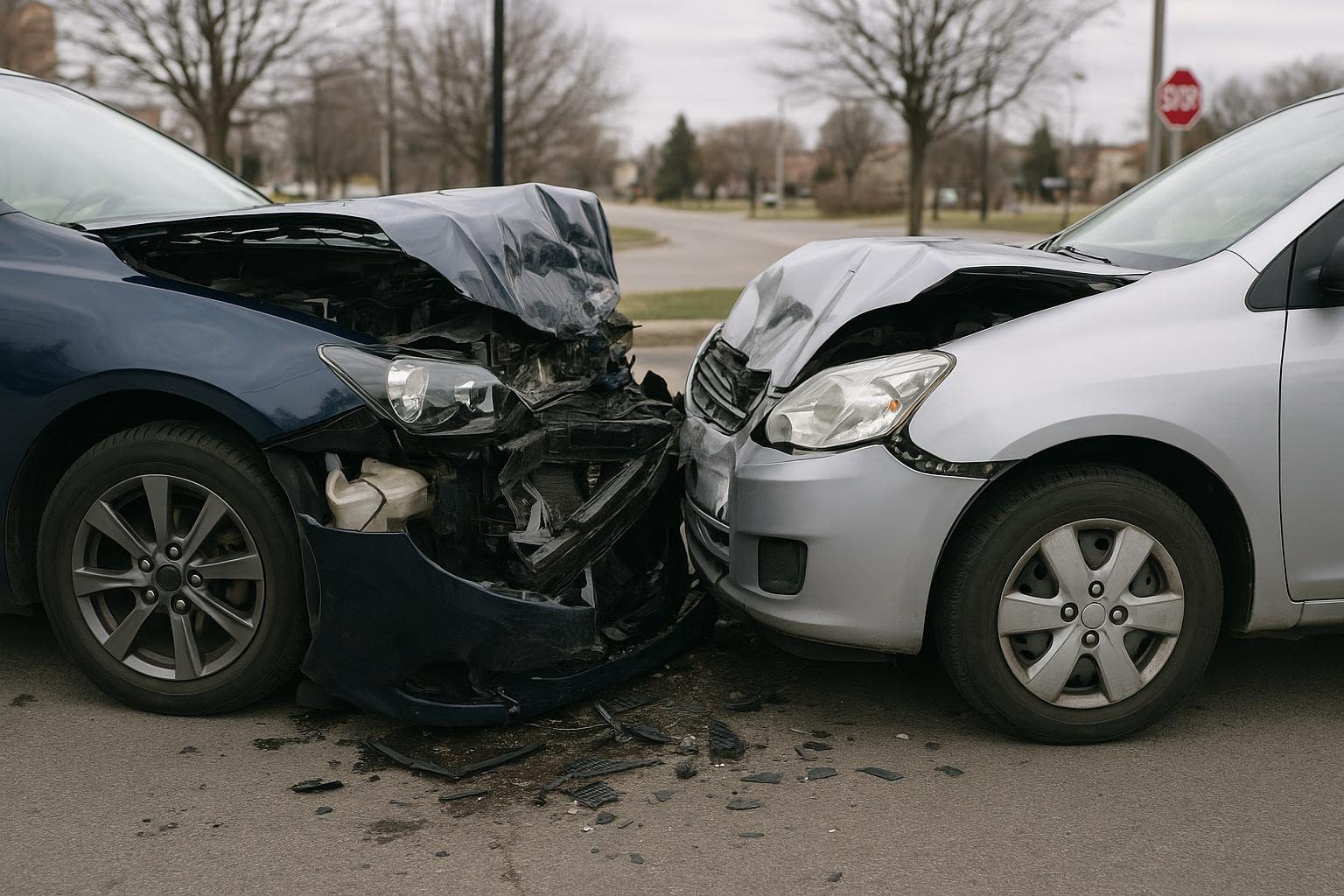
If you don’t read anything else:
1. Get a dashcam. Front and back. Do it today.
2. After an accident: check on everyone, call the police, document everything.
3. Get the other driver’s insurance info — no matter what anyone tells you at the scene.
4. Call your independent insurance agent before you do anything else with your claim.
That’s the post in four lines. But if you want to actually understand why each of those matters — and avoid some expensive surprises — keep reading.
The One Thing You Can Do Right Now That Could Save You Later
Let’s start before the accident even happens, because the single best move you can make has nothing to do with your policy.
Get a dashcam. Front and back.
Modern dashcams are small, affordable, easy to install, and most of them run automatically the second your car turns on. You don’t have to think about it. And if you’re ever in an accident where the story gets complicated — and stories get complicated all the time — that footage is the only objective witness in the room.
Insurance carriers, adjusters, and attorneys all have to work with whatever documentation exists. If the only documentation is each driver’s word against the other’s, that’s a problem. A dashcam changes the entire conversation.
You don’t have to spend a lot. A decent front-and-rear setup can run $50–$150. That’s probably less than your deductible. Do the math.
At the Scene: What Actually Matters
Okay, it happened. Here’s what you do — in order.
1. Make sure everyone is okay.
Before anything else. People first, paperwork second.
2. Call the police.
Even for minor accidents, having an officer on scene creates an official record. Get that report number before you leave.
3. Document everything.
Photos of both vehicles, the road, any damage, license plates, and the surrounding area. More is better. Your phone is a camera — use it like one.
4. Get the other driver’s insurance information.
Exchange info regardless of what anyone tells you at the scene. Name, insurance carrier, policy number, phone number. Don’t skip this step even if the damage looks minor. Minor damage has a way of becoming not-so-minor once a body shop gets involved.
A Quick Note on Who Should Give You Insurance Advice
Here’s something we say with full respect for law enforcement — and we mean that sincerely. Officers in our community do important, difficult work, and we appreciate them.
But more and more, we’re hearing that officers are telling drivers to simply contact their own insurance companies and let them sort it out. We understand they’re trying to simplify a stressful situation. That said, insurance advice really should come from a licensed insurance professional — just as we wouldn’t expect an officer to give legal advice at the scene. It’s not their lane, and it’s no fault of theirs for trying to help.
The decisions you make in the first 24–48 hours after an accident can affect your claim, your rates, and your coverage options in ways that aren’t obvious in the moment. That’s exactly why the next step matters so much.
The Call You Should Make Before You Call Anyone Else
Call your independent insurance agent.
Not the 1-800 number on your card. Not the app. Your agent — the agency that actually sold you your policy.
Here’s why this matters more than most people realize: every carrier handles claims differently. Some require immediate notification. Some have specific procedures that, if skipped, can complicate your claim later. And depending on the circumstances, there may be options worth discussing before anything gets officially filed — options that could affect whether this shows up on your record at all.
As an independent agency, we work with you — and your carrier — to make sure you’re navigating this the right way. That means understanding your specific policy, knowing your carrier’s process, and helping you take the right steps in the right order before anything gets set in motion that can’t be undone.
So even if you can’t get through right away, leave a message. Send a text. Make contact. Don’t just call the 800 number and start a claim before you’ve talked to someone who knows your policy.
Frequently Asked Questions
Do I have to call my insurance company even if it wasn’t my fault?
That depends on the carrier — and that’s exactly why calling your independent agent first is so important. Notification requirements vary, and getting this step wrong can complicate your claim down the road.
What if the other driver says not to involve insurance?
Get their information anyway. Always. People’s positions change once they’ve had time to think about it.
Should I trust what the other driver’s insurance company tells me?
Their adjuster works for their carrier, not for you. Talk to your own agent first.
Is a dashcam really that important?
Ask anyone who’s been in an at-fault dispute without one. Yes.
What if I’m not sure whether to file a claim?
That’s exactly the conversation to have with your independent agent before you do anything.
We’re Here When It Happens
Nobody plans to need us at 2pm on a Tuesday after a fender-bender in a parking lot — but that’s usually exactly when people do. Our team at Connor Insurance Agency is local, licensed, and here to help you work through it before, during, and after.
Give us a call at (828) 478-3743 — ideally before you make any other calls about your claim.
Part 2 coming soon: What happens after you file — rental cars, fault coding, subrogation, and how the right coverage can work for you even when the situation gets messy
